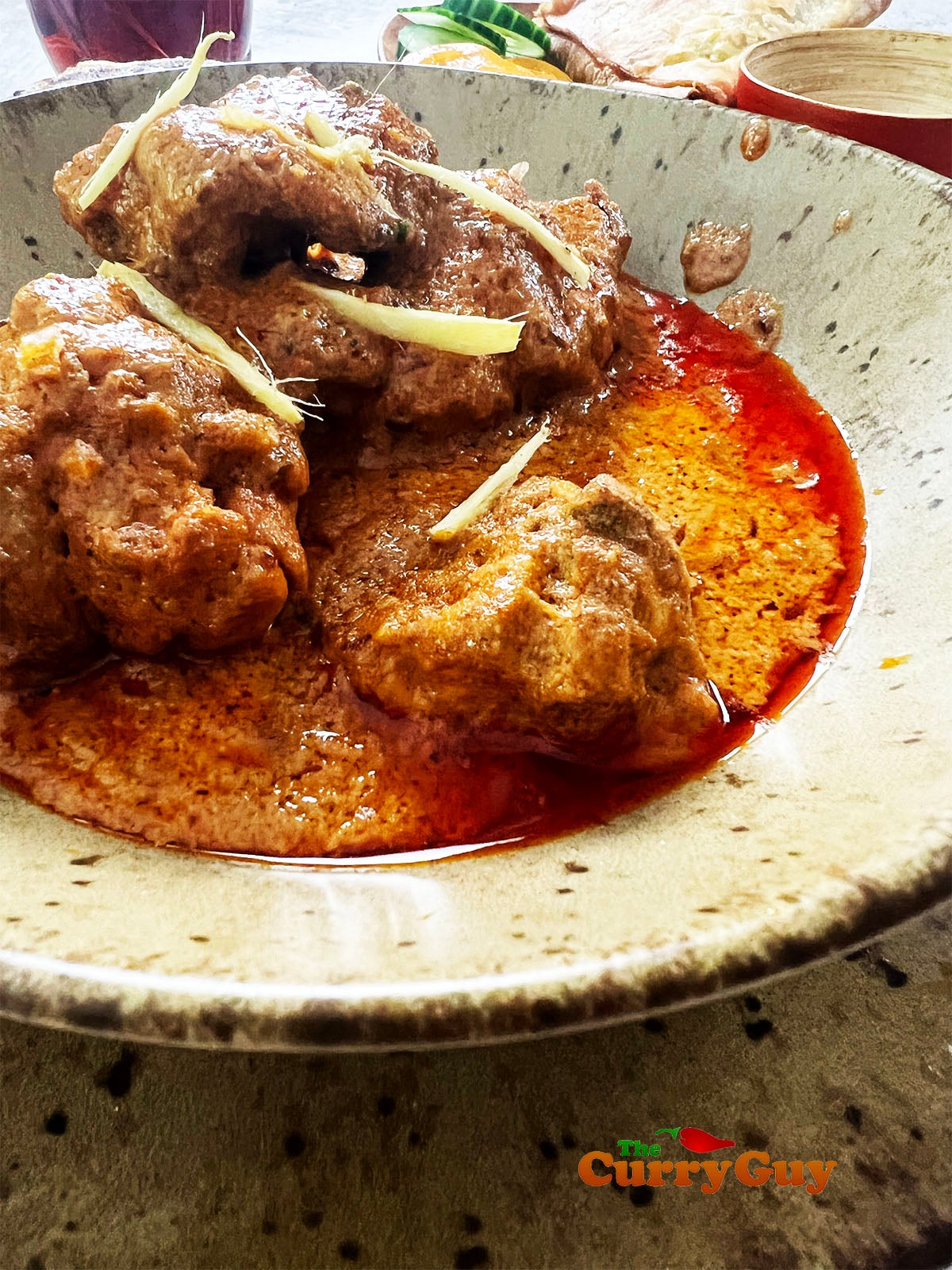
Secrets to Perfect Shahi Chicken Korma Every Time
The aroma of a perfectly cooked Shahi Chicken Korma is an experience unto itself – a rich, fragrant tapestry of flavors that whispers tales of Mughal kitchens and royal feasts. This iconic dish, celebrated for its creamy texture, delicate balance of spices, and tender chicken, is a jewel in the crown of Indian cuisine. While many find the idea of preparing this regal dish intimidating, achieving a perfect `shahi chicken korma` is absolutely within reach with a few key secrets and techniques. This article will guide you through the journey, revealing the tips and tricks to elevate your homemade korma from good to truly extraordinary, ensuring perfect results every single time.Understanding the Essence of Shahi Chicken Korma
Before we delve into the 'how,' it's crucial to grasp the 'what' makes a `shahi chicken korma` truly special. The term "Shahi" literally translates to "royal," and this dish lives up to its name through its ingredients and cooking philosophy. Unlike many other robust Indian curries, shahi korma is characterized by its mildness, richness, and aromatic complexity, rather than fiery heat. Key characteristics include:- Creamy Texture: Achieved through yogurt, heavy cream, and a paste of nuts (typically cashews and almonds).
- Subtle Spices: While a medley of spices is used, none are overpowering. Saffron, green cardamom, mace, and a hint of nutmeg are often prominent, lending a warm, exotic fragrance.
- Sweetness and Balance: Often a touch of sweetness from fried onions or a pinch of sugar, balanced by the tang of yogurt and the richness of ghee.
- Tender Meat: Chicken is slow-cooked until it's incredibly tender, absorbing all the glorious flavors of the gravy.
The Core Ingredients: Quality Matters Most
The foundation of any exceptional dish lies in the quality of its ingredients, and `shahi chicken korma` is no exception. Sourcing fresh, high-quality components will significantly impact the final taste and texture.Here’s what you’ll need to pay close attention to:
- Chicken: Opt for bone-in chicken thighs or a mix of thighs and drumsticks. The bones add depth of flavor to the gravy. If using boneless, ensure it's cut into uniform, medium-sized pieces to prevent overcooking and dryness. Fresh, not frozen, chicken is always preferred.
- Yogurt: Full-fat plain yogurt is non-negotiable. Greek yogurt or hung curd (strained yogurt) is even better as its thickness prevents curdling and adds immense creaminess without excessive liquid. Avoid low-fat or flavored yogurts entirely.
- Nuts: A blend of cashews and blanched almonds forms the quintessential thickening and enriching agent. Soaking them in warm water for at least 30 minutes before grinding ensures a super smooth paste.
- Aromatics: Fresh ginger and garlic paste are essential. Browned onions form the base of the gravy, so choose firm, sweet onions like yellow or red varieties.
- Spices (The "Shahi" Touch):
- Whole Spices: Green cardamom pods, cinnamon sticks, cloves, bay leaves for tempering.
- Ground Spices: Coriander powder, cumin powder, turmeric (sparingly for color), Kashmiri chili powder (for mild color, not heat).
- Signature Shahi Spices: Saffron threads (soaked in warm milk), mace powder, a pinch of nutmeg powder, and white pepper powder. These are the true essence of a royal korma.
- Fats: Ghee (clarified butter) is highly recommended for its nutty flavor and high smoke point. If unavailable, use a neutral cooking oil, but a tablespoon of butter can be added at the end for flavor.
- Finishing Touches: Heavy cream, rose water, or kewra water (pandan essence) for the final fragrant flourish.
Mastering the Technique: Step-by-Step Secrets
The beauty of `shahi chicken korma` lies not just in its ingredients but in the specific techniques employed. Each step plays a vital role in building layers of flavor and achieving that signature creamy consistency. For a comprehensive walk-through, be sure to check out our Mastering Shahi Chicken Korma: Your Ultimate Guide.Marination Magic: The Foundation of Flavor
Never skip marination! It tenderizes the chicken and allows it to absorb initial flavors, making the final dish more cohesive and flavorful.
- The Blend: Combine chicken pieces with a generous amount of hung curd (or thick full-fat yogurt), ginger-garlic paste, a dash of turmeric, red chili powder, salt, and sometimes a bit of green cardamom powder.
- Time is Key: Marinate for at least 2-4 hours in the refrigerator. Overnight is even better for maximum flavor penetration and tenderness.
The Art of Frying Onions: The Heart of the Gravy
Perfectly fried onions are crucial. They lend sweetness, body, and a beautiful color to the gravy.
- Thinly Slice: Ensure onions are very thinly and uniformly sliced for even frying.
- Low and Slow: Heat ghee or oil in a heavy-bottomed pan. Fry the onions on medium-low heat, stirring frequently, until they are evenly golden brown and caramelized. Do not burn them, as this will impart a bitter taste.
- Cool and Grind: Once golden, remove them with a slotted spoon and spread them on a paper towel to cool and crisp up. Once cool, they can be crushed or blended into a paste with the soaked nuts.
Building the Gravy: Layer by Layer
- Tempering Whole Spices: In the same pan with residual ghee, add whole green cardamom, cinnamon, cloves, and bay leaves. Sauté until fragrant (about 30 seconds).
- Sautéing the Chicken: Add the marinated chicken and sauté on high heat for 5-7 minutes until the chicken is lightly seared and sealed. This locks in the juices.
- Introducing the Onion-Nut Paste: Lower the heat. Add your finely ground paste of fried onions, cashews, and almonds. Sauté this mixture for a good 8-10 minutes on low heat, stirring constantly to prevent sticking. This step is critical for developing richness and ensuring the nuts are cooked out, preventing a raw taste.
- Adding Ground Spices: Introduce your ground spices (coriander, cumin, a pinch of turmeric, Kashmiri chili powder) and a splash of water if needed to prevent burning. Cook for another 2-3 minutes until the raw smell of spices disappears and oil starts separating from the masala.
The Dum Method: Infusion and Tenderness
Once the gravy base is established, it's time for slow cooking, known as 'dum' in Indian cuisine.
- Slow Simmering: Add enough warm water or chicken stock to achieve your desired gravy consistency (remember it will thicken as it cools). Bring to a gentle simmer, cover the pot tightly, and cook on low heat for 20-30 minutes, or until the chicken is fork-tender. Stir occasionally to prevent sticking.
- Consistency Check: The gravy should be thick, creamy, and clinging to the chicken pieces.
The Final Flourish: The Royal Touch
This is where the `shahi chicken korma` gets its true regal character.
- Aromatic Spices: Stir in the saffron-infused milk, mace powder, nutmeg powder, and white pepper powder.
- Richness and Fragrance: Gently fold in heavy cream. A splash of rose water or kewra water adds an exquisite floral aroma. Cook for just 2-3 minutes more – do not boil vigorously after adding cream, as it can split.
- Rest: Let the korma rest for 10-15 minutes off the heat before serving. This allows the flavors to meld beautifully.
Common Pitfalls and How to Avoid Them
Even experienced cooks can stumble. Here are some common issues and how to sidestep them:- Curdling Yogurt: Always use full-fat, well-whisked yogurt. Add it to the pan off the heat, or on very low heat, stirring continuously until fully incorporated. Never add cold yogurt to a hot curry.
- Burnt Onions/Spices: Fry onions slowly and evenly. When adding ground spices, always have a splash of water or stock ready to prevent them from burning, as this can make the dish bitter.
- Greasy Korma: While richness is key, excessive oil pooling on top can be off-putting. Use a generous amount of ghee/oil initially, but you can skim off excess oil before the final cream addition if desired.
- Lack of Depth in Flavor: This often comes from insufficient cooking time for the onion-nut paste and ground spices. Patience is a virtue here.
- Dry or Overcooked Chicken: Overcooking the chicken will make it stringy. Once the chicken is tender, stop cooking. Bone-in pieces are more forgiving.
Serving Suggestions and Perfect Pairings
A perfect `shahi chicken korma` deserves to be served with accompaniments that complement its richness and mildness.- Breads: Warm naan, laccha paratha, or tandoori roti are ideal for scooping up the luscious gravy.
- Rice: Serve it with fragrant basmati rice, plain steamed rice, or even a delicate vegetable pulao or biryani.
- Sides: A simple kachumber salad (diced cucumber, tomato, onion with lemon juice) provides a refreshing contrast, as does a cooling raita (yogurt dip).
- Drinks: Lassi (sweet or salty yogurt drink) or a mild fruit juice pairs well.
