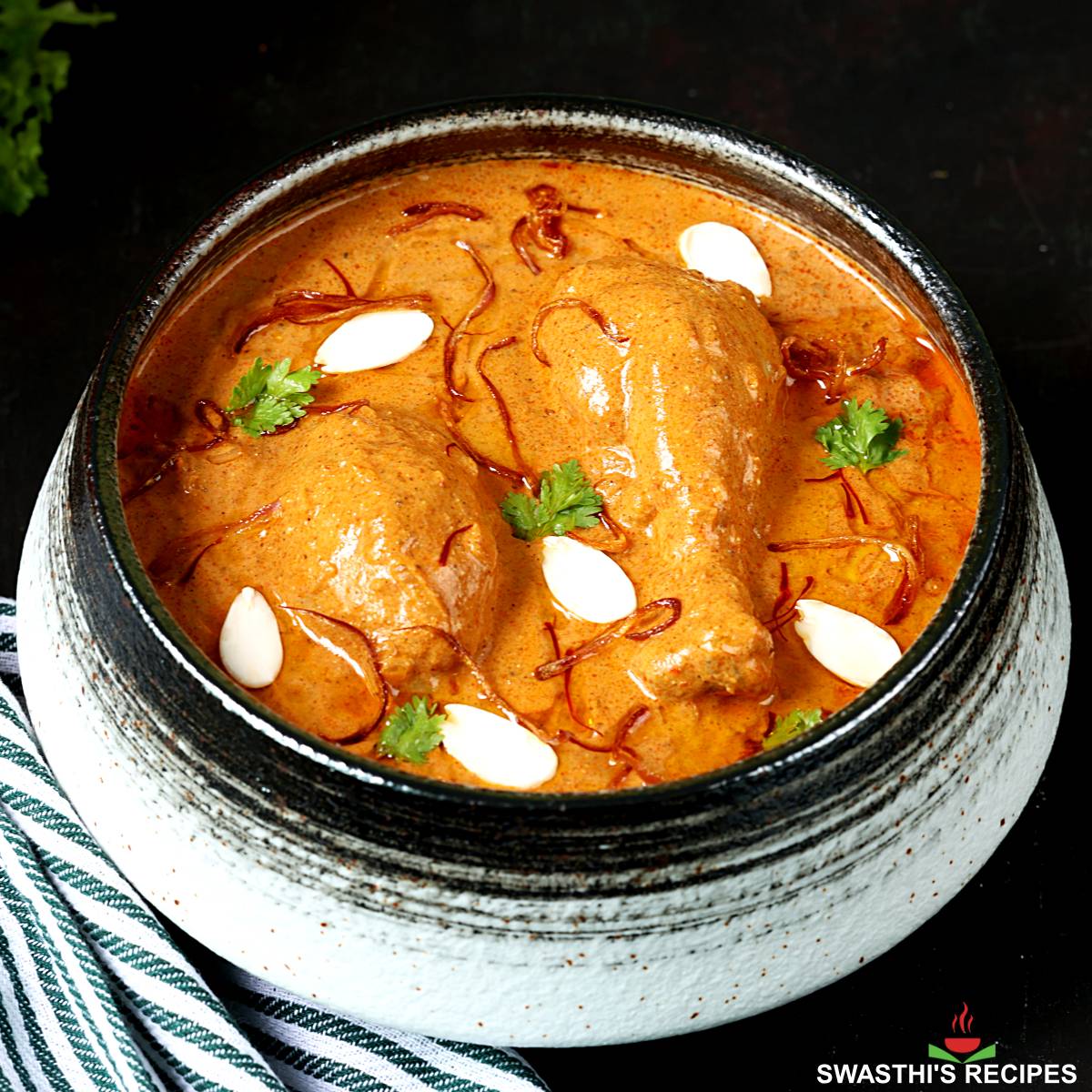
Unveiling the Majesty of Shahi Chicken Korma
In the vast and vibrant tapestry of Indian cuisine, certain dishes stand out not just for their taste, but for the sheer elegance and history they embody. Among these, the shahi chicken korma reigns supreme. The word "Shahi" itself translates to "royal," and this dish lives up to its name, offering a culinary experience that is rich, sophisticated, and utterly memorable. But what exactly transforms a simple chicken korma into a truly royal affair? It's a harmonious blend of exquisite ingredients, meticulous preparation techniques, and a storied legacy that speaks of Mughal emperors and grand feasts.
The shahi chicken korma isn't merely a curry; it's a celebration of texture, aroma, and delicate flavor layering. It's an invitation to a world where culinary artistry was revered, and every spoonful tells a tale of opulence. Join us as we delve into the core elements that bestow upon the shahi chicken korma its undisputed royal status.
The Regal Ingredients: A Symphony of Richness
The foundation of any royal dish lies in its components, and shahi chicken korma is no exception. Its distinctive richness and creamy texture are not accidental but are carefully curated through a selection of high-quality, often luxurious ingredients.
- The Nutty Embrace: A hallmark of shahi chicken korma is the generous use of nuts. Typically, blanched almonds and cashews are ground into a fine paste, which serves multiple purposes. It acts as a natural thickener, lending the gravy its characteristic velvety consistency, and imparts a subtle sweetness and depth that balances the savory spices. This nutty base is crucial for that opulent mouthfeel.
- Dairy's Decadence: Full-fat yogurt, fresh cream, and often a touch of ghee (clarified butter) are indispensable. Yogurt is used both for marination and to form the initial tangy base of the gravy, tenderizing the chicken and adding a pleasant sour note that mellows during cooking. Fresh cream is stirred in towards the end, contributing to the dish's signature luxurious finish and mellowing any sharp edges. Ghee provides a rich, buttery aroma and aids in the caramelization of onions, building the initial flavor profile.
- Aromatic Spices: While robust spices are present, the shahi chicken korma leans more towards aromatic ones. Green cardamom, mace, nutmeg, saffron, and sometimes a hint of bay leaf or cinnamon stick are carefully selected. These spices are often used whole or freshly ground, contributing a complex, fragrant bouquet rather than an overpowering heat. Saffron, in particular, adds a golden hue and a subtle, honeyed floral note that is synonymous with royalty.
- Quality Chicken: The star, of course, is the chicken. While boneless chicken can be used for convenience, bone-in pieces are often preferred in traditional recipes for the deeper flavor they impart to the gravy as they simmer. The quality and freshness of the chicken are paramount for an exquisite result.
Practical Tip: Toasting your cashews and almonds lightly before grinding can intensify their flavor, adding another layer of depth to your shahi chicken korma. Always use good quality saffron; a little goes a long way in both color and aroma.
The Art of Shahi Preparation: Crafting Culinary Grandeur
Beyond the ingredients, the method of preparation is what truly elevates the shahi chicken korma to its esteemed status. It's a patient, layered process that builds flavor and texture meticulously.
- Marination for Tenderness: The chicken is typically marinated in a mixture of yogurt, ginger-garlic paste, and a blend of spices for several hours, or even overnight. This step is crucial for tenderizing the meat, allowing it to absorb flavors deeply, and ensuring it cooks evenly to a succulent finish. This careful preparation sets the stage for a truly royal dish. For a deeper dive into preparation, consider Mastering Shahi Chicken Korma: Your Ultimate Guide.
- The 'Bhunai' Technique: This involves sautéing the onions until deeply caramelized and then frying the ginger-garlic paste and powdered spices until aromatic. This initial browning (bhunai) is vital for developing the foundational flavors and the characteristic color of the korma. It's a slow process that cannot be rushed, as it extracts maximum flavor from the ingredients.
- Slow Simmering and Flavor Melding: Once the base is established, the marinated chicken is added and cooked until sealed. Then, the nut paste and a carefully measured amount of water or stock are introduced. The dish is then allowed to simmer slowly, often covered, for an extended period. This slow cooking allows all the flavors to meld beautifully, the chicken to become incredibly tender, and the gravy to thicken naturally to that coveted rich consistency.
- Layering of Flavors: The distinct taste of shahi chicken korma comes from the thoughtful addition of ingredients at different stages. Aromatic whole spices are added early, yogurt-marinated chicken mid-way, and fresh cream and saffron threads towards the end. Sometimes, a touch of kewra (screw pine) or rose water is drizzled in just before serving, adding an ethereal fragrance that truly defines its 'shahi' character.
Practical Tip: Do not add the nut paste too early or cook it on high heat, as it can burn easily and impart a bitter taste. Gently simmer after adding it, stirring occasionally to prevent sticking. The gravy should be allowed to cook until the oil separates and rises to the top, indicating that the spices have been thoroughly cooked.
Beyond the Plate: The Cultural & Sensory Experience
A dish earns its royal status not just through its taste, but through the entire experience it offers. Shahi chicken korma is steeped in history and designed to tantalize all senses.
- Mughlai Legacy: Originating from the kitchens of the Mughal emperors, korma was a staple at grand banquets and feasts. The Mughals were renowned for their sophisticated culinary traditions, favoring rich gravies, exotic spices, and dried fruits and nuts. The shahi chicken korma is a direct descendant of this opulent era, carrying forward a legacy of culinary excellence reserved for royalty.
- Sensory Indulgence: From the moment it arrives at the table, shahi chicken korma captivates. Its creamy, often pale ivory to light golden hue, sometimes speckled with emerald green cilantro or crimson strands of saffron, is visually appealing. The aroma is a complex tapestry of sweet, savory, and floral notes. The first bite reveals a symphony of flavors: tender chicken, the earthy sweetness of nuts, the warmth of spices, and a luxurious, smooth texture that coats the palate. It's a dish meant to be savored slowly, allowing each intricate flavor to unfold.
- Perfect Pairings: To truly appreciate its royalty, shahi chicken korma is best enjoyed with accompaniments that complement its richness without overpowering it. Fluffy basmati rice, plain or saffron-infused, is a classic choice. Freshly baked naan bread, garlic naan, or laccha paratha are ideal for scooping up every last drop of the exquisite gravy. A simple raita (yogurt dip) or a fresh salad provides a refreshing counterpoint to the korma's richness.
Practical Tip: For an authentic presentation, garnish your shahi chicken korma with a sprinkle of finely chopped fresh cilantro, slivered blanched almonds, or even a few strands of saffron that have been soaked in warm milk. For true celebratory grandeur, some traditionally adorn it with edible silver leaf (varak).
Elevating Your Home Kitchen: Tips for a Royal Shahi Chicken Korma
While the prospect of recreating a royal dish might seem daunting, mastering shahi chicken korma at home is entirely achievable with attention to detail and a passion for flavor.
- Source High-Quality Ingredients: As discussed, the quality of your nuts, dairy, chicken, and especially your spices, will make a profound difference. Freshly ground spices always yield superior flavor to pre-packaged powders.
- Patience is Key: Rushing any step, particularly the sautéing of onions and the slow simmering of the gravy, will compromise the final taste and texture. Allow flavors to develop naturally. This dish rewards patience.
- Balance the Flavors: The shahi chicken korma is about balance. The richness from nuts and cream is tempered by the subtle tang of yogurt and the warmth of aromatic spices. Taste as you go, adjusting salt and spices to achieve that perfect harmony. Some recipes might call for a pinch of sugar or honey to further enhance the sweet-savory balance.
- Don't Be Afraid to Experiment (Gently): Once you're comfortable with a base recipe, feel free to subtly adjust the spice ratios to suit your preference. Perhaps a little more cardamom for a sweeter aroma, or a touch of white pepper for a gentle warmth. Remember, the goal is nuanced flavor, not overwhelming heat. For more specific advice on perfecting your dish, check out Secrets to Perfect Shahi Chicken Korma Every Time.
Conclusion
The shahi chicken korma is more than just a dish; it's a culinary legacy. Its royal status is firmly rooted in the thoughtful selection of premium ingredients, the meticulous layering of flavors through age-old cooking techniques, and the rich history it carries from the imperial kitchens of the Mughals. Each spoonful is a journey back in time, a taste of luxury, and a testament to the sophisticated palate of a bygone era. Whether enjoyed in a fine dining restaurant or lovingly prepared in a home kitchen, the shahi chicken korma truly embodies grandeur, offering an unparalleled experience that is, without a doubt, fit for kings and queens.
